Phytonutrients: Plant Compounds and Health
Exploring Bioactive Compounds in Plant-Based Foods
What Are Phytonutrients?
Phytonutrients, also called phytochemicals or bioactive compounds, are naturally occurring substances in plants that are not classified as vitamins or minerals. These compounds evolved in plants primarily as defense mechanisms against insects, pathogens, and environmental stress, and they're responsible for many of the colors, flavors, and aromas of plant foods.
While not classified as "essential nutrients" like vitamins and minerals, phytonutrients are believed to play important roles in human health. Scientific research has identified thousands of phytonutrients and continues to investigate their physiological effects.
Major Categories of Phytonutrients
Polyphenols
The largest category of phytonutrients, polyphenols include:
- Flavonoids: Found in berries, apples, tea, chocolate. Various subtypes with different properties.
- Phenolic Acids: In berries, grains, and coffee.
- Stilbenes: Notably resveratrol in red grapes and wine.
- Tannins: In tea, red wine, and nuts.
Carotenoids
Orange, red, and yellow pigments in plants:
- Beta-carotene (converted to vitamin A)
- Lycopene in tomatoes
- Lutein in leafy greens
Glucosinolates
Sulfur-containing compounds in cruciferous vegetables (broccoli, cabbage, Brussels sprouts), associated with anti-inflammatory properties.
Proposed Mechanisms and Research
Research suggests phytonutrients may influence health through multiple mechanisms:
Antioxidant Activity
Many phytonutrients have antioxidant properties, potentially helping neutralize reactive molecules (free radicals) that accumulate through normal metabolism and environmental exposure.
Anti-inflammatory Effects
Chronic inflammation is implicated in many diseases. Some phytonutrients appear to modulate inflammatory pathways.
Enzyme Activation
Some phytonutrients activate detoxification enzymes that help clear potentially harmful substances.
Gut Microbiota Effects
Certain phytonutrients serve as prebiotics, selectively feeding beneficial bacteria in the digestive system.

Plant Diversity and Phytonutrient Profile
Different plants contain different phytonutrient profiles. The color of vegetables and fruits often indicates dominant phytonutrient classes—red foods contain lycopene and anthocyanins, orange foods contain carotenoids, green foods contain chlorophyll and lutein, blue and purple foods contain anthocyanins and other polyphenols.
This is why nutritional science emphasizes "eating the rainbow"—consuming a variety of differently colored plants ensures exposure to diverse phytonutrient profiles. Different cultures have developed agricultural and culinary traditions reflecting their local plant diversity, creating natural variation in phytonutrient intake patterns.
Specific Phytonutrient-Rich Foods
Berries
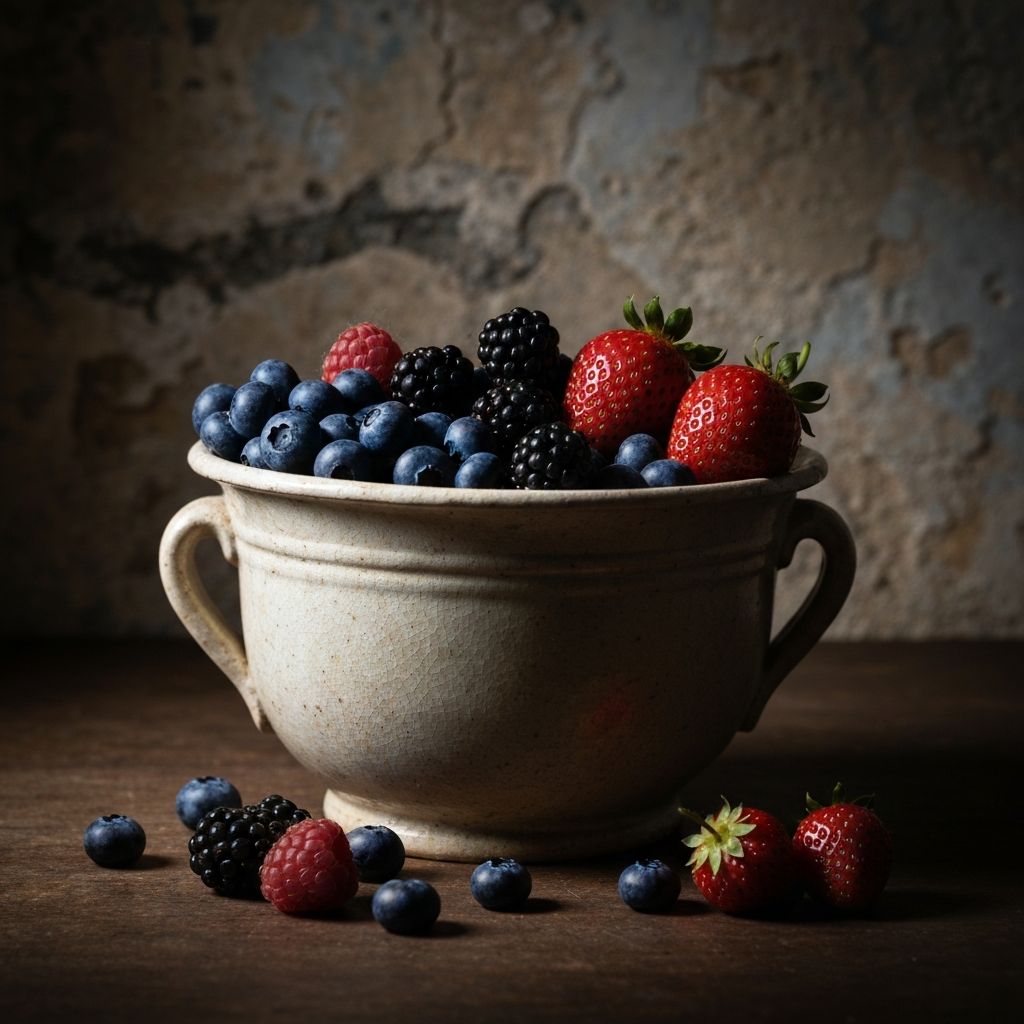
Blueberries, raspberries, blackberries, and cranberries are rich in anthocyanins and other polyphenols. Associated with antioxidant and anti-inflammatory properties.
Cruciferous Vegetables
Broccoli, cabbage, Brussels sprouts contain glucosinolates and sulforaphane. Research suggests potential roles in enzyme activation and anti-inflammatory processes.
Leafy Greens
Spinach, kale, and other greens contain lutein, zeaxanthin, and various polyphenols. Associated with eye health and general antioxidant activity.
Tomatoes
Contain lycopene, a carotenoid that gives them their red color. May have anti-inflammatory and antioxidant properties.
Tea and Coffee
Rich in polyphenols, including catechins (in green tea) and chlorogenic acid (in coffee). Regular consumption associated with various health benefits in observational studies.
Turmeric and Spices
Curcumin in turmeric and other compounds in various spices have been studied for anti-inflammatory and antioxidant properties.
Bioavailability and Food Preparation
The amounts of phytonutrients in foods, their bioavailability (how well they're absorbed), and their stability during cooking and processing vary significantly. Some phytonutrients are enhanced by cooking (lycopene in tomatoes becomes more bioavailable when cooked), while others may be reduced by heat.
This underscores why consuming both raw and cooked plant foods contributes to phytonutrient diversity—different preparation methods preserve or enhance different compounds.